
Desk
Reporting
Trackers
Maps
Tools
Sri Lanka's public servants will see a salary increase of 24% to 50%, along with a stable cost of living allowance, as part of new reforms addressing economic challenges and wage disparities
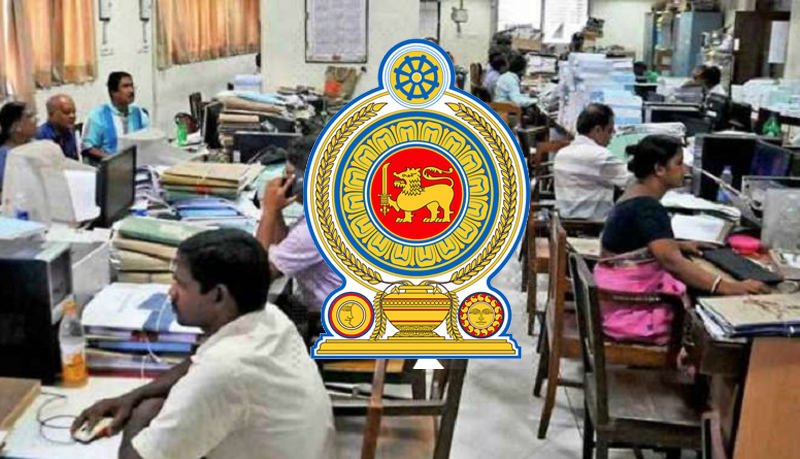
The government of Sri Lanka has announced comprehensive salary reforms for public servants and pensioners, set to take effect in 2025. The Expert Committee on Public Service Salary Disparities, chaired by Udaya R. Seneviratne, revealed plans for substantial salary increases aimed at addressing long-standing disparities and improving the living standards of government employees and retirees.
Key highlights:
These proposals, which received approval from both the Cabinet and the Treasury, came in response to persistent trade union protests and the challenges faced by public servants and pensioners amidst high inflation and economic instability. The reforms aimed to provide much-needed financial relief and stability to government workers and retirees, many of whom had been pushed below the poverty line due to recent economic crises.
Seneviratne emphasized the critical role of the public service in Sri Lanka's development, stating, "The public service acts as the driving force behind the country's progress. These restructuring efforts are prioritized to address the current challenges in the public sector and ensure a satisfied and motivated workforce."
While the salary hikes are widely seen as necessary, they raise questions about the government's fiscal capacity to implement such sweeping changes. Critics argue that the timing and scale of the increases may further strain an already burdened economy, potentially leading to increased government debt.