

Numbers.lk
@numberslka
Sri Lanka 🇱🇰 Re introduced the QR Fuel System from today
Sri Lanka 🇱🇰 Re introduced the QR Fuel System from today
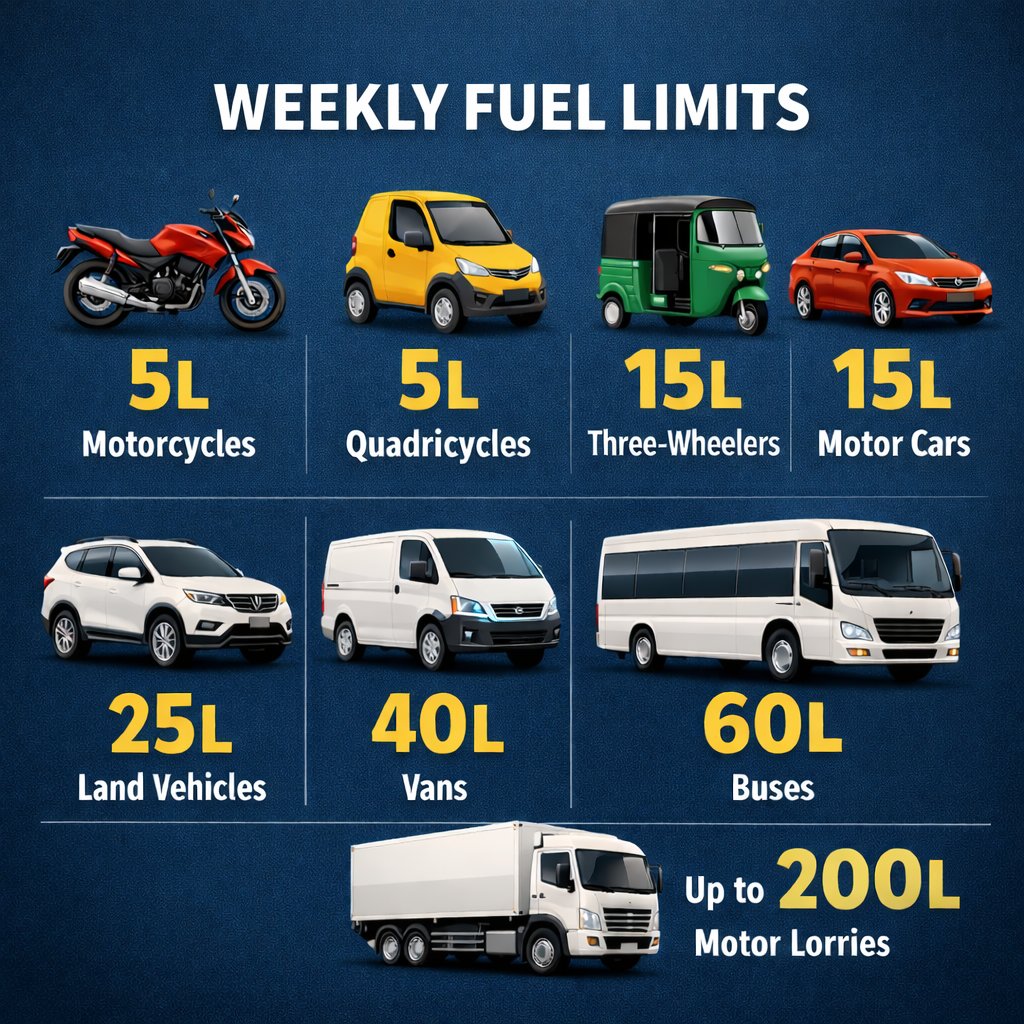
⭕ 🇱🇰 The Ministry of Energy reintroduced the National Fuel Pass QR system from 6 a.m. on March 15, 2026. No filling station can issue fuel without a valid QR code from that time.
⭕ Officials said the move follows fuel supply disruption linked to the Middle East conflict, a sharp rise in local demand, and fuel hoarding and black-market activity.
⭕ Previously registered users with the same vehicle ownership and same registered mobile number can download the QR from midnight on March 14 through the same portal.
⭕ Users who changed vehicle ownership or mobile number must re-register online from 6 a.m. on March 15. Newly registered vehicles and vehicles not enrolled earlier must also complete fresh registration at https://fuelpass.gov.lk/.
⭕ Economically speaking, systems like this should be a last-resort measure, used only during severe supply shortages. Today, Sri Lanka has 5 independent fuel operators, which means supply can increasingly be managed through market competition rather than administrative controls.
⭕ Fuel prices remain about 33–34% below the 2022 peak levels. Auto Diesel is Rs. 157 per litre lower, and Petrol 92 is Rs. 153 per litre lower than their historic highs, which gives the government ample space for flexible price adjustments based on market conditions.
⭕ Hard caps on fuel purchases restrict supplier competition. Even if suppliers secure more fuel and improve distribution, regulatory limits prevent them from expanding sales.
⭕ Strict rationing, despite assurances of adequate fuel stocks, will weaken public trust. In future crises, public skepticism could trigger panic buying and hoarding.
⭕ The government should have explored every other avenue to reduce the fuel consumption such as work-from-home strategies, four-day work weeks, and moving from monthly to weekly fuel price revisions to allow faster responses to global market changes.
⭕ If the government wanted to stop hoarding and black-market activity, they could have enabled the QR system purely for monitoring purposes, rather than enforcing strict rationing. Under such a system, authorities could track fuel usage data in real time, identify unusual purchasing patterns, and detect potential hoarding. Policy decisions could then be based on actual consumption data, allowing targeted interventions without imposing blanket restrictions on all consumers.
⭕ The impact on the prices of goods is now difficult to measure due to supply constraints and could be severe. Prices may rise even more than they would have if the government had simply increased fuel prices to an all-time high.
⭕Ultimately, fuel rationing carries significant economic costs way worse than the economic risks created by higher fuel prices. It restricts normal market functioning, creates administrative burdens, and introduces distortions that disproportionately affect businesses, transport, and the everyday lives of Sri Lankans. Such mechanisms should therefore be reserved only as last resort measure, when supply is critically constrained and price adjustments are not sufficient to balance supply and demand.
#SriLanka #FuelPass
Sources
- Original post on X — Numbers.lk (@numberslka)