

Numbers.lk
@numberslka
18% VAT on Digital Services in Sri Lanka 🇱🇰: Will It Finally Be Implemented on July 1, 2026?
18% VAT on Digital Services in Sri Lanka 🇱🇰: Will It Finally Be Implemented on July 1, 2026?
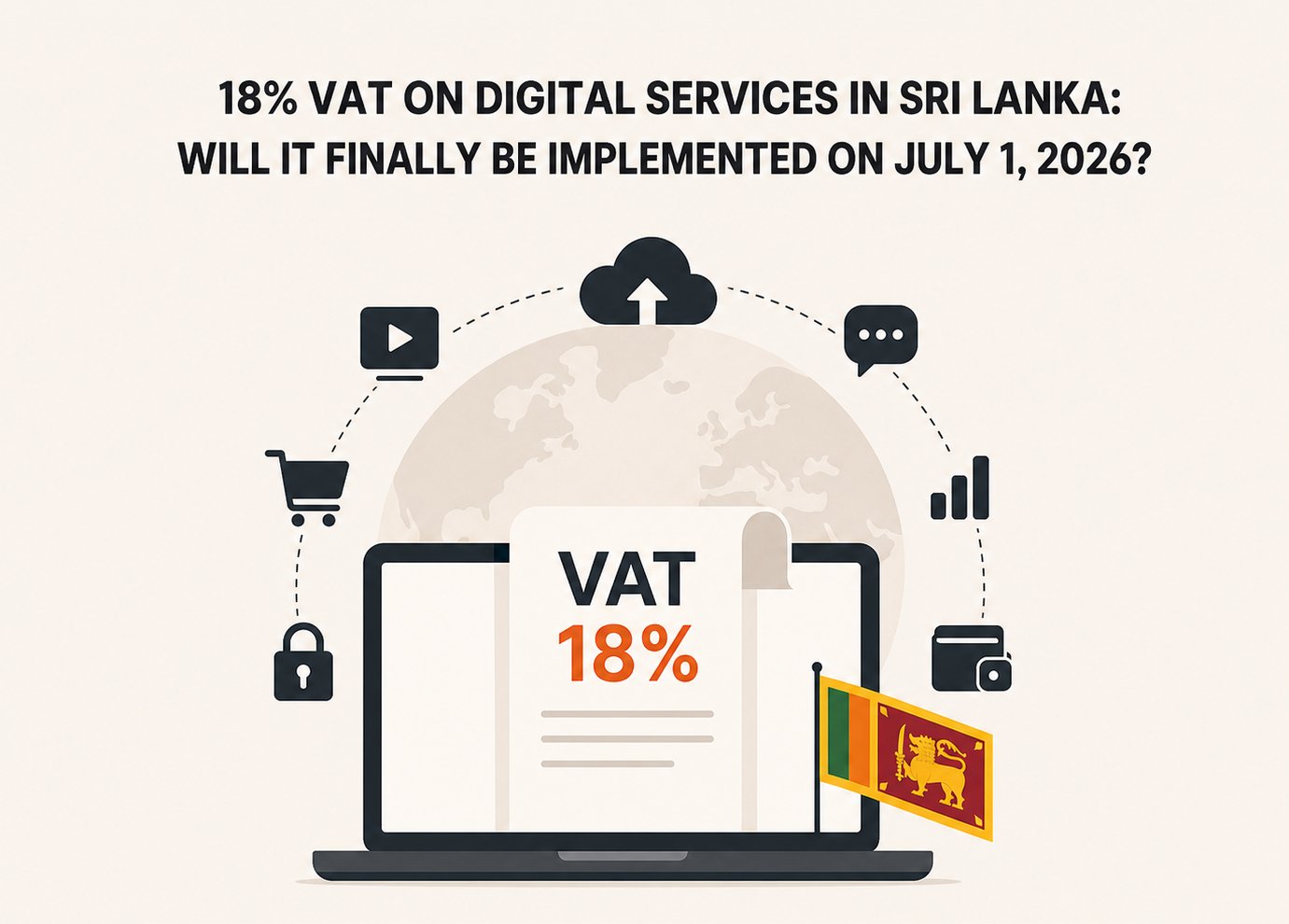
⭕ Digital services VAT is a tax on online services supplied to Sri Lanka 🇱🇰 by non-resident companies, such as foreign platforms that provide cloud, SaaS, streaming, digital ads, fintech, or marketplace services etc.
⭕ The tax became law under the VAT (Amendment) Act No. 4 of 2025, certified on April 11, 2025, but its implementation has been delayed several times. Under the newly published VAT amendment bill, the start date has now been set for July 1, 2026.
⭕ As per the Act, this tax applies to services provided via platforms such as:
▫️ Cloud computing, e.g., hosting, storage, and servers
▫️ Software as a Service (SaaS), e.g., web-based apps like Google Workspace
▫️ Streaming, e.g., video, music, and live content platforms
▫️ Digital marketing, e.g., social media ads and email campaigns
▫️ E-commerce, e.g., online stores, payment gateways, and order fulfilment
▫️ Cybersecurity, e.g., threat detection, encryption, and firewalls
▫️ IT support, e.g., remote tech help and managed services
▫️ Blockchain/NFTs, e.g., OpenSea and crypto platforms
▫️ FinTech, e.g., PayPal, Stripe, and online banking
▫️ Social media, e.g., Facebook and Instagram platforms
▫️ Marketplaces, e.g., booking apps and gig platforms like Fiverr
⭕ VAT will be included in what you pay—charged directly by the service provider.
Thoughts:
⭕ Taxing digital services provided by non-resident companies is increasingly common worldwide.
⭕ A key improvement in the new bill is that VAT-registered entities in Sri Lanka 🇱🇰 will be exempt from the 18% digital services VAT. Non-resident providers should not charge or collect it from them.
⭕ Education and healthcare services are also exempt, including online learning, training platforms, telemedicine, AI diagnostics, and health tracking apps.
⭕ However, the proposed VAT in Sri Lanka is may be still too broad. It still covers digital services heavily used by businesses, especially AI tools, productivity platforms, cloud computing, SaaS, and fintech services.
⭕ Large companies may be less affected because, under the new amendment, VAT registration may help them avoid being charged this VAT or claim input VAT if it is charged.
⭕ But startups, small businesses, freelancers, and early-stage digital businesses may still face higher costs if they are not VAT-registered.
⭕ Imposing an 18% VAT raises the cost of essential tech stacks, making it more expensive for smaller businesses to start, grow, and compete.
⭕ A practical compromise would be to exempt business-use services such as cloud computing, selected SaaS products, fintech tools, and AI services that do not have strong local alternatives.
⭕ For example, the government may gain more in the long term by allowing citizens and businesses to learn, explore, and become more productive through AI tools like Claude or ChatGPT, rather than charging an 18% VAT on them.
⭕ At the same time, Sri Lanka 🇱🇰 can continue taxing digital services used mainly for personal consumption, such as Netflix, Spotify, Booking[dot]com, Uber, or tools that already have strong local alternatives (VAT paying), while keeping productivity, educational, and business-use tools more affordable.
#SriLanka #VAT
Sources
- Original post on X — Numbers.lk (@numberslka)