

Numbers.lk
@numberslka
🔍 Fate of 1,000 BYD Atto 3 EVs 🚗 : Sri Lanka’s 🇱🇰 Rs. 4 billion classification dispute
🔍 Fate of 1,000 BYD Atto 3 EVs 🚗 : Sri Lanka’s 🇱🇰 Rs. 4 billion classification dispute
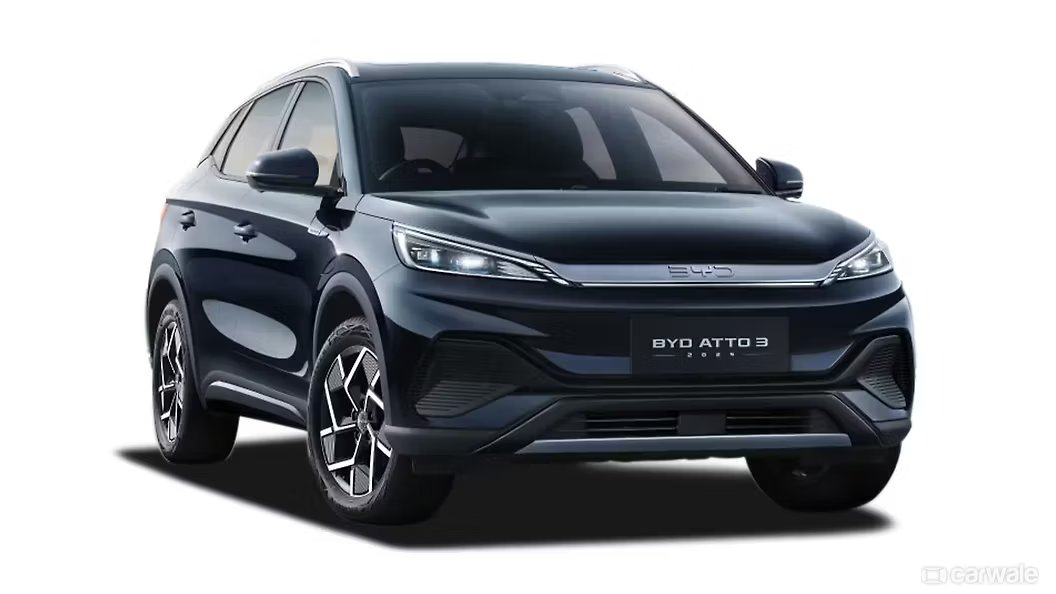
⭕ ~1,000 BYD Atto 3 EVs detained by Customs since July 2025 due to a motor-capacity classification dispute worth Rs. 4 billion in potential additional taxes.
⭕ The core issue: Do these imported BYD Atto 3s have 100 kW or 150 kW motors?
⭕ BYD declared them as 100 kW models, but Customs suspects they’re with 150 kW motors firmware-limited to 100 kW output.
⭕ According to JKH CG Auto, importer and agent for BYD Sri Lanka, the cars were shipped directly from BYD in China as the same 100 kW models supplied to other international markets like Singapore.
⭕ That statement sidesteps the technical question. Does it have the same motor as the 150kW model?
⭕ Different countries use different standards for motor-power classification for customs and taxation purposes:
- Nepal 🇳🇵: “Motor peak power”
- Singapore 🇸🇬: “Power Rating/Maximum Power Output”
- Sri Lanka 🇱🇰: “Capacity of motors”
⭕ Thus, the same vehicle configuration can have different kW power for customs and taxation purposes depending on each country’s tariff language.
⭕ Sri Lanka’s tariff language clearly points to the combined raw capacity (nameplate/rated capacity) of the motor for excise duty.
⭕ Recent precedent: Nissan X-Trail dispute, two motors deliver 157 kW to the wheels but have a combined motor capacity of 250 kW. They are taxed on capacity of 250 kW basis.
⭕ If tax were based on software-limited output, manufacturers could simply under configure to fall below thresholds (even under 50 kW), creating a major loophole.
⭕Classification disputes are routine in customs and revenue agencies, and these classifications decisions are not arbitrary. The World Customs Organization (WCO) sets classification guidelines through the Harmonized System, ensuring that countries worldwide follow the same foundational standards for international trade.
⭕ Under Sri Lankan case law, an importer’s HS-code declaration is provisional. Customs must verify and may adjust it if required.. Importers pay any additional duties to release goods - no penalty applies unless there was willful misclassification.
⭕ For prolonged disputes, importers can furnish a bank guarantee for the disputed amount and obtain release without putting their customers at the middle of it.
⭕ On the other hand, considering that BYD is currently facing the same issue with the same car in Nepal 🇳🇵- where the tariff language is very similar to Sri Lanka’s -it’s surprising that the local agent hasn’t sought an “advance ruling,” whereby Customs issues an HS code for a particular product before importation to avoid classification disputes after the importation.
⭕ As the world’s best‐selling car manufacturer, BYD produces great vehicles, but all technical evidence in this case is not in favor of BYD/JKH.
⭕ Sri Lanka’s vehicle-tax policy focuses solely on maximizing revenue. EVs are the future, A more rational EV-tax and, more broadly, vehicle-tax policy is needed.
⭕ Short-term revenue gains at the expense of people’s wealth tied up in depreciating liabilities like cars have been among the worst things affecting Sri Lanka’s economy for decades. The failure of Sri Lanka’s economic policymakers to consider this from a macroeconomic perspective is truly saddening for the country.
#SriLanka #BYD
Sources
- Original post on X — Numbers.lk (@numberslka)