
Desk
Reporting
Trackers
Maps
Tools
This year's presidential election in Sri Lanka could mark a significant moment in the country's political history. For the first time, preferential votes may play a decisive role in determining the outcome of the election.
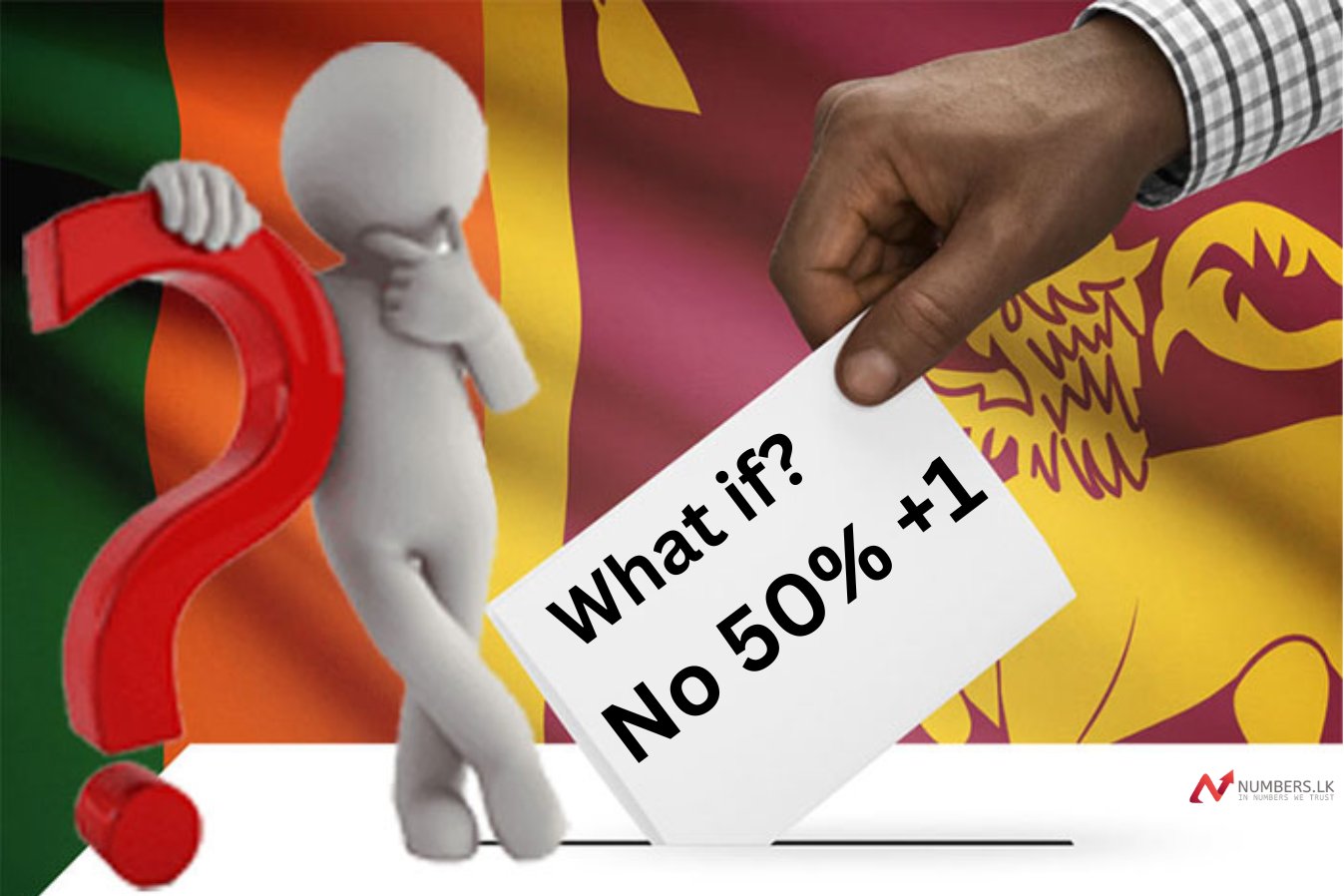
In Sri Lanka's presidential election system, a candidate needs to secure over 50% of the valid votes to win outright. However, if no candidate achieves this majority, a unique process unfolds to determine the winner.
1. Initial Elimination: All candidates except the top two vote-getters are eliminated from the race.
2. Preference Votes Come into Play: The second and third preference votes on the ballots of eliminated candidates become crucial at this stage.
3. Ballot Sorting:
4. Vote Redistribution:
5. Final Tally: After this redistribution process, the candidate with the highest vote count is declared the winner.
It's crucial to understand that after this process, the winning candidate doesn't necessarily need to have over 50% of all valid votes. The candidate with the highest number of votes after the preference redistribution becomes the president-elect, regardless of whether they cross the 50% threshold.
What Happens If No Candidate in the Sri Lankan 🇱🇰 Presidential Elections Secures Over 50% of the Votes?
— Numbers.lk (@numberslka) July 27, 2024
1. All candidates except the top two will be eliminated from the race.
Now, the 2nd and 3rd preference votes on the ballots of eliminated candidates come into play.
2.… pic.twitter.com/Hl1XuU7Lwn